

Most people worry as soon as a door lock sticks or the key will not turn. The mind goes straight to break-ins. In our experience, that fear is rarely correct. We see faulty locks across New Zealand daily, and the cause is usually simple: parts wear out, moisture creeps in, doors shift with the seasons, or budget hardware struggles under heavy use. These are routine problems, not proof of someone trying to get inside.
We’ve prepared this guide to help you tell the difference between normal wear and actual damage. Our aim is to be clear and supportive. We explain what happens inside the lock, why it occurs, and practical things you can try at home. We’ll also describe how we can step in if your lock stays stubborn. Our steady, practical goal: keep your doors working, keep access secure, and help you avoid the stress of a lockout when you least expect it. Rest assured, there are solutions at every step.
If your lock feels tight, gritty, or unreliable, start with some simple checks instead of jumping to the worst-case scenario. Most faults respond well to basic care. If not, we are here to help with repair, rekeying, or replacement!
Below are the causes we find most often in everyday homes.
Every lock has small moving parts. The pin stack, the plug, the cam, and the springs work together each time you turn the key. Over the years, these parts polish, bruise, or lose shape. That wear changes how the key and pins meet. The result is a crunchy feel, a sticking point, or a key that needs a wiggle.
Many New Zealand homes sit near the sea or in damp zones. Salt air and moisture reach the lock, even when doors stay closed. Inside the cylinder, a light film of corrosion forms on metal parts. That film slows movement and traps grit. Over time, the key feels stiff and the return action weakens.
Houses move. Timber swells in winter and shrinks in summer. Frames settle slightly. Hinges loosen. A door that lined up in year one can rub in year five. When the latch and strike no longer meet cleanly, you need to lift the handle higher, or the key turns without a full deadbolt throw.
Not every lock is built to the same standard. Cheaper models use softer parts that wear quickly on high-use doors. Exterior handlesets also face weather that low-cost finishes can’t handle. After some years, the action feels slack, the handle wobbles, and the cylinder reacts poorly to worn keys.
We find more faults with paint and grit than most people expect. A small flake of paint dries inside the keyway and catches the blade. Children sometimes play with keys and put them in their mouths. Cut copies wear unevenly in pockets. All of this adds up to stickiness and poor engagement.
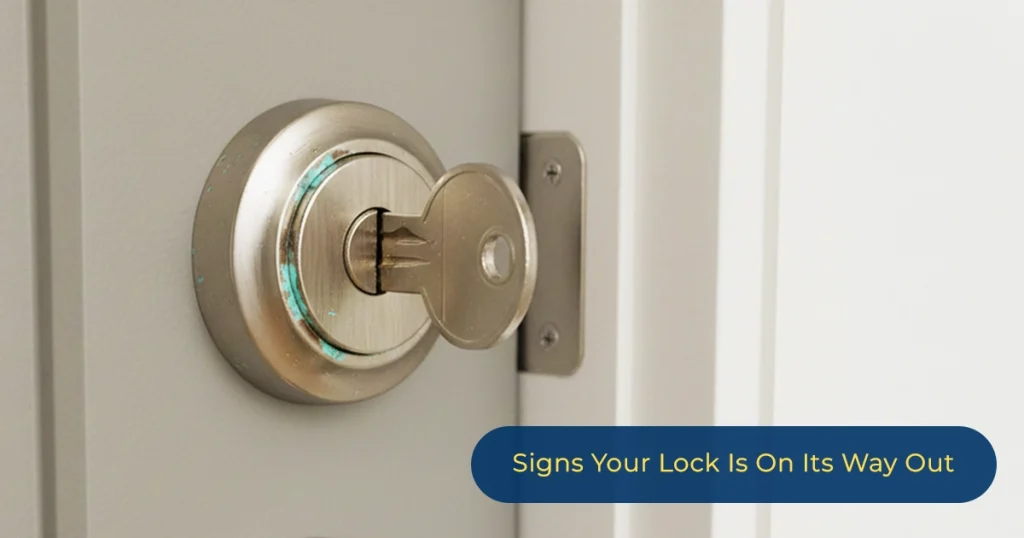
Spotting early symptoms saves time and money. Here is what to look for, with a plain explanation of what is happening inside.
The key scrapes against rough spots in the keyway, or debris sits on the plug floor. Minor corrosion or grit from a pocket sets up the crunch. Long-term wear on pins creates steps that the key now hits more often.
Pins no longer meet the blade cleanly. A tiny bend in the key or a bruised pinhead forces you to search for a sweet spot. Extra torque then bruises parts further, which makes the problem worse next time.
The plug rotates, yet the cam or tailpiece does not transfer motion cleanly. Wear or a partial twist in these parts makes travel incomplete. On misaligned doors, the bolt meets the strike face and stops early.
This is moisture at work. External finishes break down, and tiny flakes travel inside the plug. Corrosion slows movement. If you see staining at the bottom of the trim ring, the inside needs attention.
Fixings may have stretched. Repeated use and heavy hands wear screw threads and allow the handle to wobble. That movement affects latch control and places an extra load on the cylinder during each turn.
This is alignment. The bolt hits the strike plate rather than clearing into the keep. A few millimetres of frame movement is enough to cause this symptom. Forcing the key risks a snapped key or a damaged cam.
If any of these sound familiar, there’s no need for alarm. Taking quick action now prevents bigger headaches later. A prompt check and fix will save you the stress, keep your door lock working, and help you avoid surprises.
These steps resolve many everyday lock concerns. Try them in order at your own pace. If the lock still doesn’t improve, you can trust us to help from there. No hassle, just friendly service.
This approach loosens light corrosion and frees sticky pins. Avoid flooding the mechanism. Wipe away any excess from the face.
If your lock still drags or will not throw after these steps, the issue is inside the mechanism or with the door’s fit. That’s when to give us a call. We’re here to help and get things working smoothly again.
Some faults need tools, parts, and experience. We recommend calling if any of the following apply:
You get a clear explanation of the fault, the options, and the costs before we start.
Many homes only need rekeying after a move, a lost key, or a security concern. Rekeying keeps the existing exterior hardware and changes the internal pin layout. You receive new keys, and any old keys no longer work. This approach is quick and cost-effective when the lock body remains strong.
Replacement is the better choice when the mechanism is tired, parts are no longer available, or the door deserves a stronger door lock. If the handle or cylinder has reached the end of its service life, a new unit reduces future callouts and improves daily ease of use. We guide you through both options and set out the pros and cons in plain terms.
We cannot overstate how often alignment sits at the heart of a problem. A small change in hinge position, weather seal thickness, or frame movement can shift the latch and deadbolt out of line. The door lock then takes the blame, yet the mechanism works as designed. Before you replace a lock that feels strong but will not throw, confirm the door alignment. We check:
A quick adjustment often returns a crisp lock action and extends the life of your hardware.
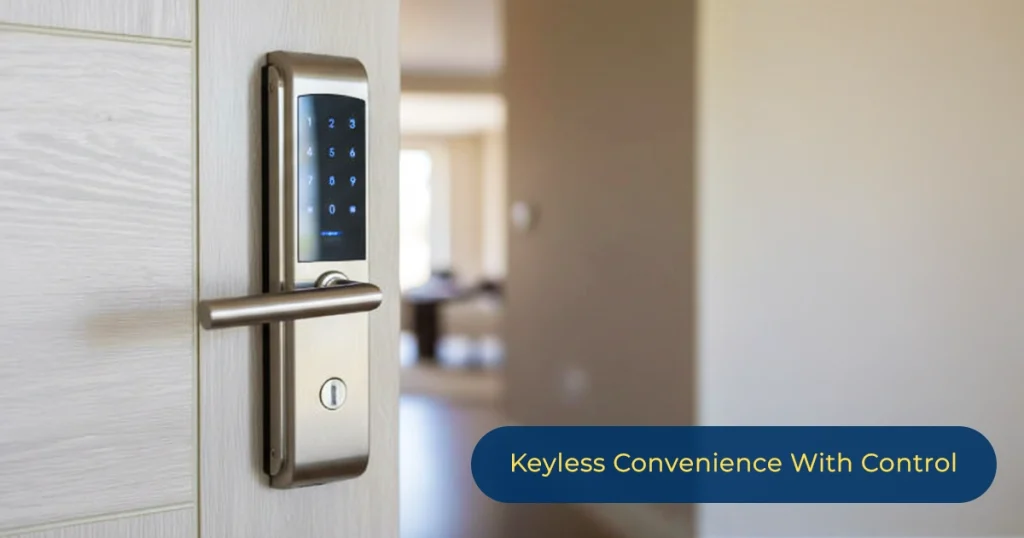
Many families move to digital door locks for everyday ease. Done well, these remove the need to carry keys and reduce the risk of copies in circulation. Key features include:
Digital locks still need correct fitment and good alignment. We assess the door first, confirm suitability, and install the unit. We then show you how to manage codes and settings so you start with confidence.
You can keep most locks healthy with a short routine. The aim is to control moisture, keep alignment true, and avoid damage from poor keys.
This routine reduces friction and keeps parts moving with less stress. It also helps you notice small changes early, when fixes are simple.
“My lock stuck today, so someone tried to break in last night.”
A sudden change often follows a weather shift or a screw coming loose. Do not panic at the first sign. Check alignment and try lubrication first.
“A camera will show me if someone tampered with the lock.”
Cameras help with general visibility, yet they do not fix alignment, corrosion, or worn parts. Most faults are mundane. A quick on-site check gives you a clear answer.
“If I push harder, it will free up.”
Force bruises parts inside the door lock and bends keys. That makes the next turn harder. Stop and follow the basic steps, or call us for service.
“All locks last the same time.”
Usage, exposure, and quality matter. A busy front door by the sea wears faster than a spare room in a dry inland area.
We keep the process simple. You call. We ask a few questions. We come prepared.
You get a clear invoice and a simple record of what we did. If a follow-up is needed, we book it with you at a time that suits.
A little routine care gives you smooth doors and fewer surprises. A quick spray every few months and timely key replacement go a long way. If something feels off, act early. A short visit now often prevents a late-night lockout later.
If your door lock is sticking or the key feels wrong, we can help. We inspect, explain the cause, and sort the fix. In most cases, the story is simple wear, not a threat. When a genuine security issue appears, we address it clearly and strengthen the weak points.
Call Armstrong Smarter Security any time. We operate across New Zealand with trained, licensed technicians and straightforward service. We will assess the fault, set out your options, and get your doors working again without guesswork.

© 2026 | Armstrong Smarter Security | All Rights Reserved | Designed by 
If this is an emergency or urgent job, please contact us on 0800-506-111