

In the context of sports science and athletic facilities, security is no longer a passive operation. Traditional CCTV systems have long served as an observational tool, capturing video footage for review after incidents occur.
While this archival footage can aid in understanding past events, it does little to prevent issues in real time. For high-performance training environments, stadiums, and sports complexes where safety, asset protection, and athlete welfare are paramount, a more proactive approach is required.
AI-powered surveillance moves beyond the limitations of conventional camera systems by enabling real-time detection, analysis, and response. These smart systems are designed not just to observe but to understand patterns of behaviour, identify anomalies, and generate immediate alerts when risks are detected.
This technological advancement transforms surveillance into an active participant in safeguarding people and property.
In practical terms, an AI-enhanced system within a sports facility can detect unusual behaviour such as unauthorised access to restricted areas, crowd surges during events, or lingering individuals in sensitive zones.
These insights are delivered instantly to security personnel, enabling faster interventions and reducing the likelihood of harm or disruption.
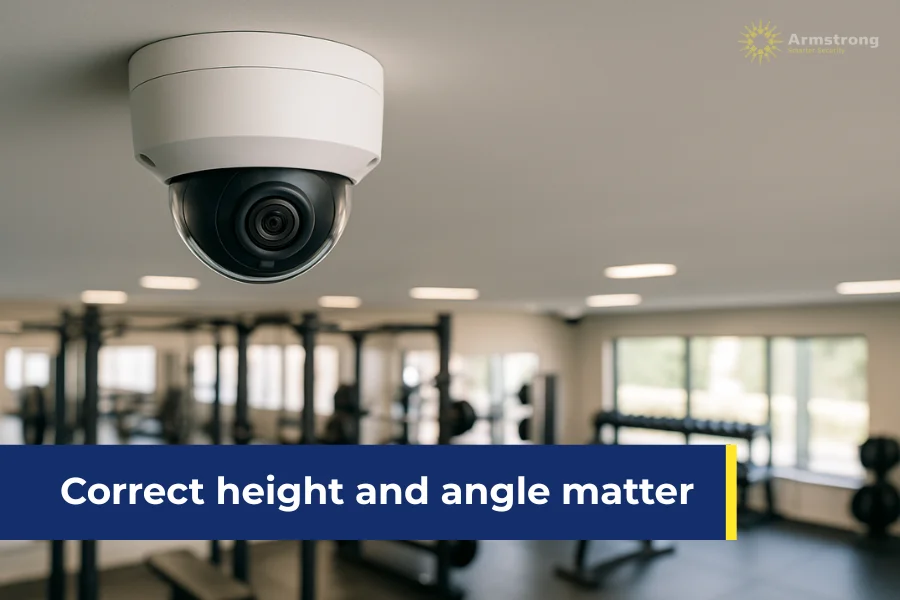
For sports science professionals managing athletes, staff, and sensitive data, timely responses to incidents are critical. Whether it’s a potential injury scenario caught by an AI camera in a training area or a breach near equipment storage rooms, the value of being alerted in real time cannot be overstated.
It allows staff to act before issues escalate, minimising damage and supporting a safer, more controlled environment.
Moreover, real-time detection plays a role in monitoring compliance with safety protocols, particularly in high-risk zones such as strength and conditioning facilities or biomechanics labs.
By recognising behaviours that deviate from the norm, AI can help ensure that standards are upheld without constant manual supervision.
AI-driven CCTV represents a fundamental evolution in surveillance technology for the sports sector. It replaces a reactive posture with a predictive, intelligent approach, enabling facilities to identify risks before they become incidents.
For those responsible for athlete safety, facility management, or event operations, this marks a significant step forward in creating secure, efficient, and responsive environments.
AI-powered surveillance systems bring measurable advantages to commercial environments where the protection of people, assets, and operations is essential.
For sports-focused commercial establishments such as training centres, stadiums, athletic retailers, or rehabilitation clinics, the value extends beyond basic security.
These systems support safety, operational efficiency, and informed decision-making through smart data analytics and real-time monitoring.
One of the most impactful benefits of AI surveillance is its ability to identify unusual or high-risk behaviour without the need for constant human observation.
Using advanced behavioural algorithms, these systems can recognise patterns such as loitering, sudden movements, or entry into restricted areas.
For example, in a sports training centre, if an individual is seen repeatedly entering zones designated for authorised staff or athletes only, the system can send an immediate alert to security personnel.
This allows a swift response to potentially threatening or unauthorised actions before they escalate into incidents.
This level of surveillance is particularly useful in venues hosting public events, where high foot traffic can make it difficult to monitor all areas manually.
Commercial sports facilities often house expensive equipment, sensitive data, and restricted materials that require safeguarding. AI CCTV systems are trained to detect behaviours consistent with theft or vandalism, such as lingering near unattended equipment or forced entry attempts.
In retail environments selling athletic gear or performance technology, smart cameras can track motion and behaviour within the store to detect shoplifting patterns and alert staff discreetly.
Similarly, storage areas for high-value training tools or medical equipment can be closely monitored to ensure only authorised access.
By automatically tracking these behaviours, AI systems reduce the dependency on manual surveillance and increase the likelihood of deterring or intervening in criminal activities before they cause material or reputational damage.
Ensuring a safe environment for staff, athletes, and visitors is a non-negotiable aspect of any sports-related business.
AI CCTV systems contribute to workplace health and safety by monitoring for violations of safety procedures or unauthorised presence in high-risk zones.
For instance, in a biomechanics lab or physical therapy clinic, these systems can detect if someone enters a restricted area where specific PPE is required.
They can also identify blocked fire exits, overcrowded training spaces, or unsafe physical interactions in real time.
This support allows facility managers to uphold compliance more easily and demonstrates a commitment to duty of care, which is essential in both regulatory and public relations contexts.
AI-powered CCTV is not only about preventing negative outcomes—it can also be a tool for improving operations. Features such as people counting, heat mapping, and dwell-time analysis help organisations understand how spaces are used.
In a commercial gym or multi-use training facility, people counting can inform staffing needs, cleaning schedules, or space utilisation strategies. Heat maps can show which equipment zones are most frequently used, helping with equipment placement and layout optimisation.
These insights empower facility managers to make data-driven decisions that improve both customer experience and resource efficiency.
AI-powered CCTV systems are no longer experimental. They are already being deployed in various commercial settings with clear, measurable outcomes. In the context of sports science and athletic facilities, these technologies help organisations safeguard people and property, maintain order, and improve the overall environment for both staff and visitors.
This section outlines practical examples where AI surveillance makes a tangible impact.
Sports retail stores often face challenges such as shoplifting, vandalism, or unauthorised access to restricted stock areas. AI surveillance tools can be programmed to recognise behaviour patterns consistent with theft or inventory tampering.
For instance, an AI system may detect when an individual spends an extended amount of time in a low-visibility corner or makes repeated motions that suggest concealment. These behaviours trigger alerts for on-site staff or remote monitoring teams, allowing for discreet intervention.
Additionally, AI facial recognition can identify repeat offenders or banned individuals attempting to re-enter the store.
The result is a safer, more controlled retail environment where loss prevention is proactive, not reactive.
In clinics where physical therapy and injury rehabilitation are conducted, AI CCTV systems offer dual benefits: safety monitoring and privacy protection. These facilities often contain expensive medical equipment and sensitive patient data.
With AI-enabled surveillance, the system can track movement into restricted rooms and flag instances of unauthorised access.
Furthermore, the ability to detect falls or irregular movement in therapy areas can allow staff to respond immediately to patients in distress. This supports the duty of care expected in health-related environments and improves overall response times.
High-performance training facilities typically accommodate a mix of athletes, coaches, and support staff. Managing who has access to what areas is vital.
AI surveillance helps maintain order by detecting tailgating (unauthorised entry following someone through a secured door), flagging unusual after-hours activity, or identifying overcrowding in a designated space.
Beyond security, these systems can also track how long athletes spend in specific zones such as recovery areas or free weight sections. This information helps performance staff optimise training flow and manage capacity during peak periods.
Large-scale sports venues are complex environments with multiple entry points, high visitor volumes, and dynamic risk profiles. AI CCTV can monitor crowd behaviour, identify bottlenecks, and flag aggressive or suspicious activity in real time.
For example, during a match or concert, the system can alert security if groups begin forming in prohibited zones or if movement patterns suggest a potential confrontation. These insights allow staff to intervene before issues escalate, improving safety and maintaining order without heavy manual oversight.
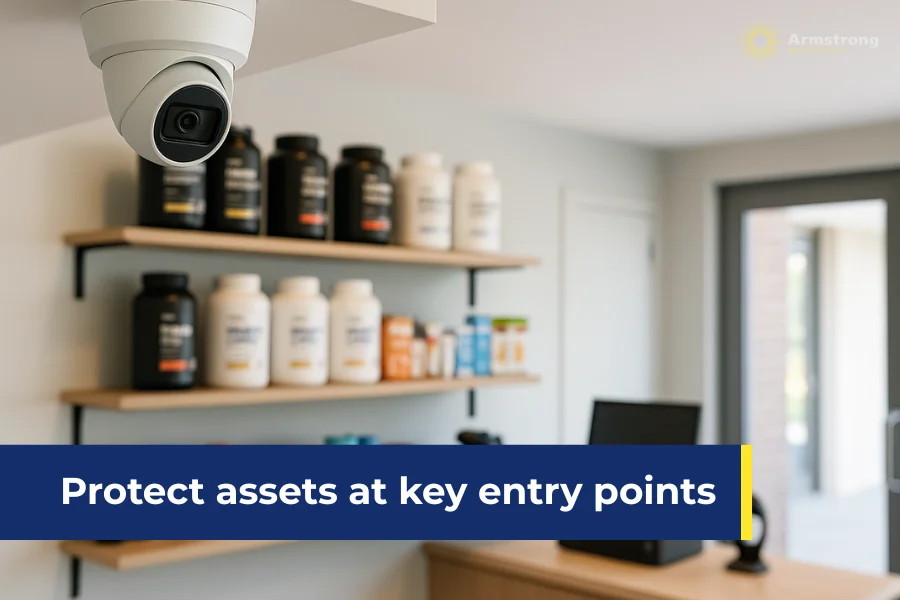
Facilities that store sports equipment, merchandise, or even performance nutrition products benefit significantly from AI-enhanced surveillance. Systems can monitor for unauthorised vehicle entry, suspicious loading activity, or motion in areas that should remain idle after hours.
Because these facilities often run on tight schedules and large inventories, a breach can be costly. AI-powered detection of irregularities reduces downtime, protects assets, and supports insurance compliance by documenting events with reliable footage and data.
AI surveillance is not a theoretical solution. It is already driving results in various commercial sectors. From sports retail and gyms to stadiums and clinics, these systems offer reliable, real-time protection and insights that traditional CCTV simply cannot.
For commercial sports businesses that demand performance, precision, and protection, AI surveillance is a practical, future-ready investment.
Adopting AI-powered surveillance technology involves more than simply installing new cameras.
For commercial sports establishments, it requires thoughtful planning around infrastructure, software compatibility, operational needs, and privacy compliance. This section outlines what businesses should consider to ensure a smooth and effective transition to AI-enhanced security.
Before upgrading to AI surveillance, businesses should evaluate their current camera systems. Many modern AI platforms are designed to integrate with existing CCTV hardware, but older systems may lack the resolution or connectivity needed for effective performance.
Key considerations include:
Understanding the capabilities of your existing setup will help you identify whether a full replacement or a phased upgrade is more practical.
Not all AI surveillance systems offer the same functions. Commercial sports facilities should select features that align with their specific needs, whether that is security, operational monitoring, or compliance.
Examples include:
Selecting the right features ensures that the system not only protects but also contributes to improved operational decision-making.
AI CCTV systems are most effective when integrated with broader security infrastructure. This includes access control systems, intruder alarms, and emergency response protocols.
When these systems are connected:
Integration enables a coordinated response that is faster and more accurate than siloed systems.
AI surveillance processes sensitive data such as facial imagery and behavioural patterns. It is critical to ensure compliance with local privacy regulations and industry-specific standards.
Steps to consider:
By maintaining transparency and control over surveillance data, commercial facilities can balance safety with ethical responsibility.
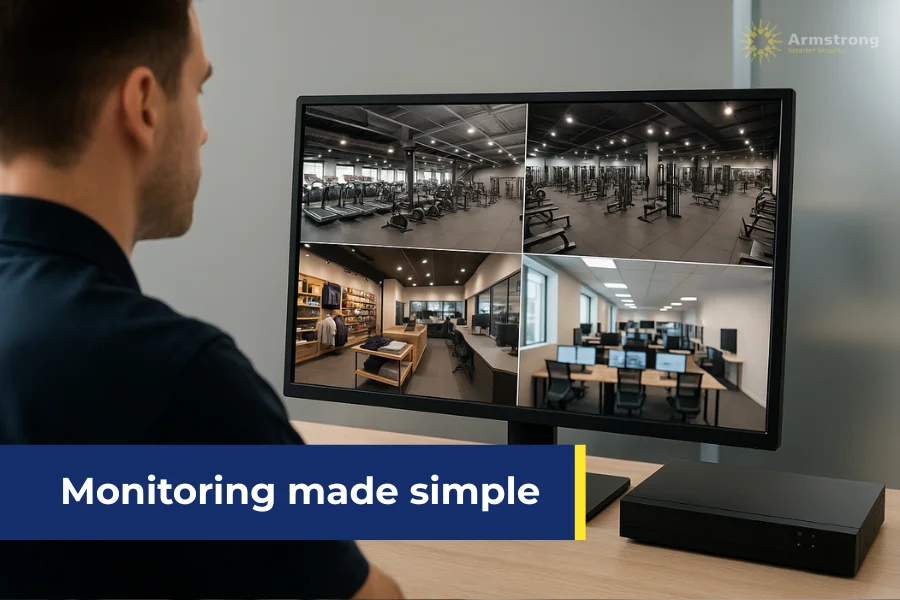
Even the most advanced AI system is only as effective as the people using it. Staff must be trained not just to operate the system, but to interpret alerts and respond appropriately.
Areas to address in training:
Clear protocols and staff readiness are essential for ensuring that AI-driven alerts translate into meaningful actions.
While AI-powered surveillance offers clear benefits, commercial businesses often raise valid questions before making the transition.
Understanding and addressing these concerns is crucial for ensuring confidence and successful adoption. This section explores the most common reservations and how to approach them effectively.
One of the most frequently raised issues is the cost of implementing AI surveillance systems. Although initial investment can appear high, it is important to view the expense in terms of long-term value.
AI-enhanced systems help reduce losses from theft, minimise staffing costs associated with manual monitoring, and reduce insurance risk. Additionally, many providers offer scalable solutions or subscription-based models that spread costs more evenly over time.
Businesses should conduct a cost-benefit analysis, factoring in potential savings, to see the financial value beyond upfront pricing.
AI systems process visual and behavioural data that may raise concerns about individual privacy, especially in public-facing spaces like gyms or retail environments.
To maintain compliance and public trust:
Ensuring transparency and responsible data governance reassures stakeholders and strengthens brand credibility.
AI systems, like all forms of automation, are not immune to errors. A common concern is the generation of false positives, like alerts triggered by non-threatening or irrelevant activity.
This issue can be managed by:
Over time, AI systems can also improve their accuracy by learning from repeated feedback, especially when combined with manual input during the early stages of deployment.
There is sometimes concern that AI surveillance may replace human security staff. In practice, AI does not eliminate the need for human oversight but rather enhances it.
By automating routine monitoring tasks, security teams are freed to focus on higher-priority responsibilities such as incident response, customer support, or safety management.
AI supports their work by providing more detailed insights, improving situational awareness, and reducing the chance of human error due to fatigue or distraction.
This shift positions AI as a complementary tool, not a substitute, for trained personnel.
Another concern is system reliability, particularly during peak operating times or unexpected incidents. Businesses may question whether AI tools will perform consistently or create operational dependencies.
To ensure reliability:
Reliable systems enhance business continuity and ensure that security does not falter when it is needed most.
Implementing AI-powered surveillance is not just a technological upgrade—it is a strategic decision that can reshape how security, safety, and operations are managed within a commercial sports facility.
For business owners who are considering this transition, the path forward involves a series of practical steps to ensure successful planning, adoption, and long-term use.
Begin by assessing the unique challenges and risks your business faces. Consider areas such as:
Clearly defining your objectives, like theft prevention, real-time risk monitoring, or space utilisation, will guide the selection of the right AI features and system scale.
Partnering with a knowledgeable and reputable security technology provider is essential. Look for firms that:
A good provider will walk you through the process from consultation to installation and post-deployment support.
Before committing to a full rollout, consider requesting a product demonstration or trial period. This allows you to:
A short-term pilot can provide clarity on the system’s capabilities and how it aligns with your team’s needs.
Clear internal planning is vital for seamless adoption. Assign responsibilities for:
Include your security, operations, or IT staff in the planning and onboarding process. Their familiarity with your systems and workflows will help optimise the AI system’s use.
Establish key performance indicators (KPIs) to measure the effectiveness of your AI surveillance. These might include:
Track results regularly and adjust system settings or response protocols as needed. AI surveillance is dynamic and can improve over time with proper use and review.
AI-powered surveillance is no longer a forward-looking concept—it is a practical, proven solution that elevates the way commercial sports facilities manage security, safety, and daily operations.
By moving from passive observation to proactive monitoring, businesses can prevent incidents before they occur, protect high-value assets, and create safer environments for staff, athletes, and visitors.
For sports science environments in particular, where the stakes include physical wellbeing, data protection, and service continuity, the precision and responsiveness of AI surveillance offer measurable benefits.
Whether it is deterring theft, monitoring restricted zones, or enhancing space utilisation through analytics, AI systems provide actionable intelligence that traditional CCTV cannot.
Commercial establishments that invest in AI surveillance are not just upgrading technology. They are reinforcing their commitment to operational excellence, safety standards, and future-focused business practices.
As the demands on facilities continue to grow, the ability to anticipate and respond to risk in real time will not just be advantageous.
Now is the time to evaluate your security strategy, engage the right partners, and prepare your team to work alongside technology designed to help you lead with confidence.

© 2026 | Armstrong Smarter Security | All Rights Reserved | Designed by 
If this is an emergency or urgent job, please contact us on 0800-506-111