
Experiencing a burglary is unsettling and stressful. Your first instinct might be to clean up or repair damage quickly, but the right order of actions is critical. Protecting evidence, securing your home, and meeting insurance requirements will save you from further problems later.
As a team of experienced locksmiths in NZ, we understand the importance of quick, safe, and professional responses. Our aim here is to guide you through the exact steps that will help you restore both safety and peace of mind.
Home security is not only about locks and doors but also about how you react in the first moments after a forced entry. Knowing what to do ensures your family, property, and future claims are protected.
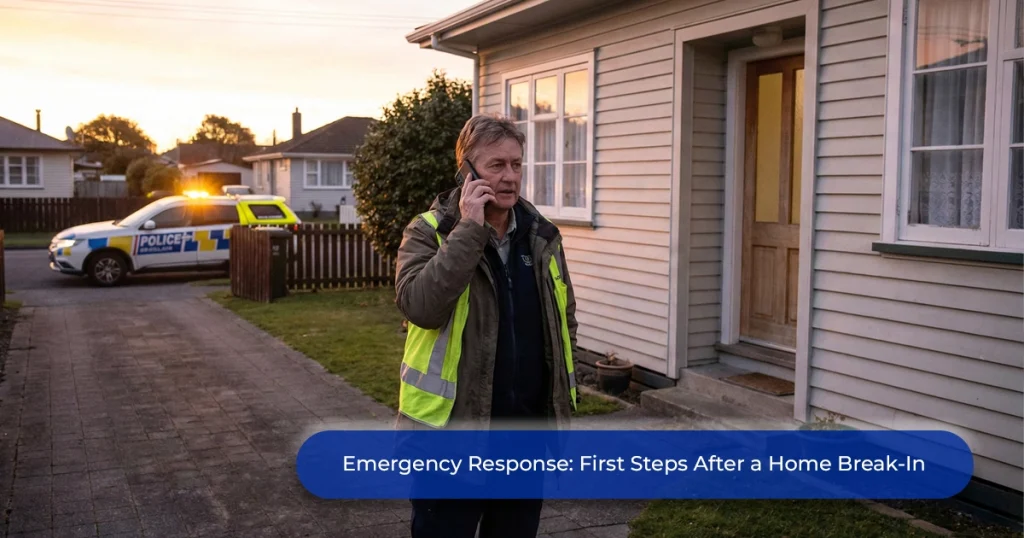
The first step is always to protect people before property. If you arrive home and suspect a burglary is still underway, step back, call 111, and wait for police instructions. Do not enter alone.
Once police confirm it is safe, take careful steps to preserve evidence. Disturbing the scene can affect both police investigations and insurance outcomes.
Key actions:
These steps may feel slow when you want immediate repairs, but delaying temporary fixes until police clear the site ensures you don’t compromise evidence.
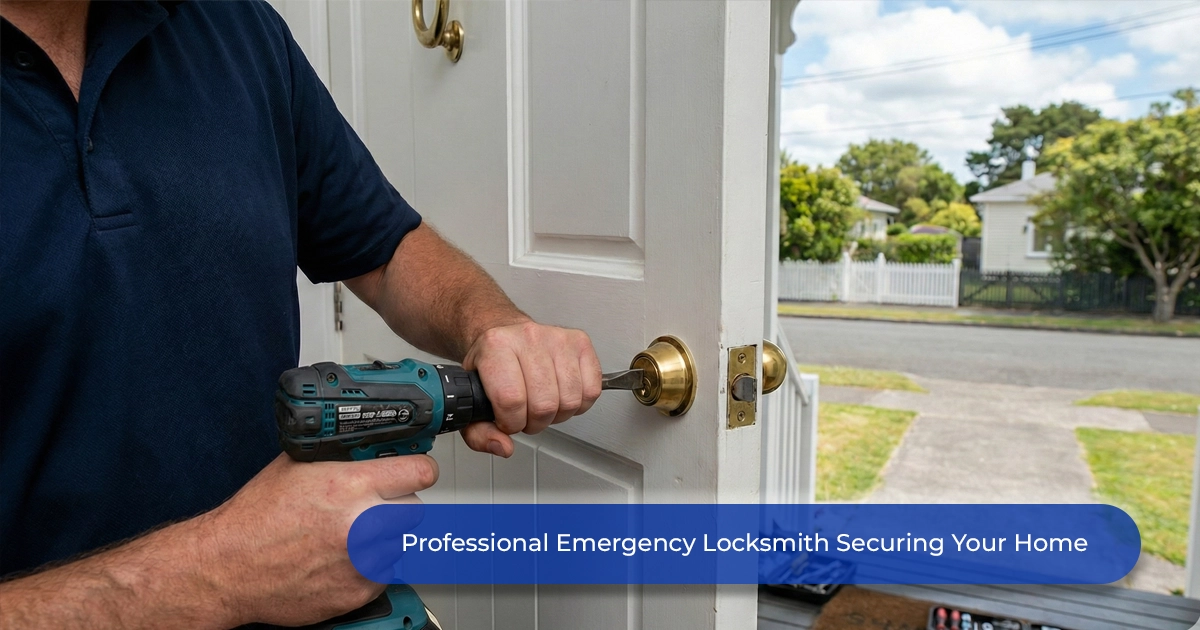
Once police allow access, an emergency locksmith becomes essential. Immediate repairs prevent repeat entry and protect occupants.
Temporary fixes include:
Permanent repairs, such as installing certified deadbolts or replacing broken cylinders, must wait until forensic checks are complete. Police sometimes revisit entry points for prints or tool marks, so rushing permanent repairs may cause problems.
Our locksmiths in NZ often provide both services, starting with fast temporary measures and following up with scheduled appointments for permanent upgrades.
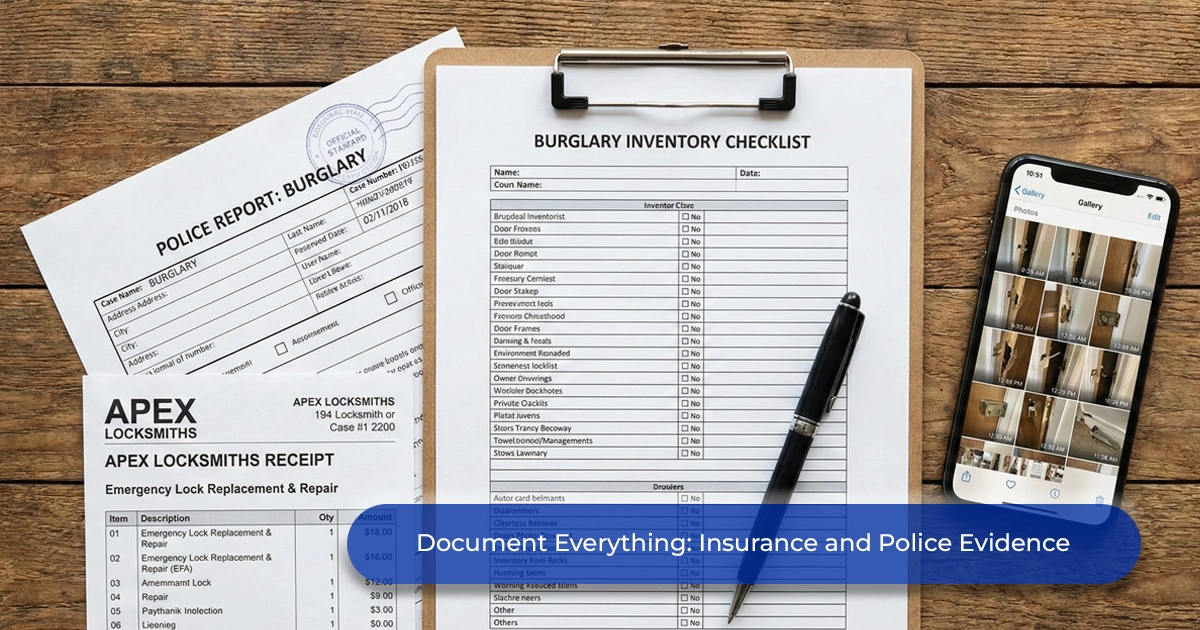
Insurers expect thorough documentation. Missing paperwork is one of the most common reasons for claim delays. When calling an emergency locksmith, request a full receipt.
The receipt should include:
Also collect:
By organising this information early, you avoid chasing documents later when stress is higher.
Temporary repairs restore short-term safety, but stronger upgrades are essential to prevent repeat attacks.
Once police have finished evidence checks and your insurer clears the repair stage, plan for new hardware. Consider:
Each installation should come with photos, supplier warranties, and product information. This record supports future insurance claims if another burglary occurs.
Physical security matters, but so does personal safety. Victims often underestimate the emotional strain of returning to a broken-into property.
Actions to take immediately:
Safety planning is not limited to locks. Ensuring occupants feel protected is just as important as securing doors and windows.
Not all locksmiths provide the same level of professionalism. Choosing the right provider ensures quality work and prevents further stress.
Before allowing a locksmith access, verify:
Trustworthy locksmiths in NZ also:
These checks protect you from hidden charges and give confidence that repairs meet proper standards.
When you book a full repair or upgrade visit, expect more than simple lock replacement. Professional locksmiths inspect the entire entry point and recommend certified hardware tailored to the risk.
Typical tasks include:
You should also expect a written record of all parts and work completed. Ask for photos and, where possible, serial numbers of installed parts. These records are helpful for insurance and add transparency to the service.
Insurers require early notification. Contact them as soon as possible with the police report number, locksmith receipt, and photos.
Steps to follow:
Some insurers request that permanent repairs meet specific standards. For example, they may require hardware to meet NZ standards or be installed by a licensed locksmith. Clarify this early to avoid rejected claims later.
A burglary can leave more than physical damage. Emotional effects often last longer than expected. Acknowledging this helps recovery.
Practical steps:
Victim support services also liaise with insurers and police if paperwork or advocacy is needed. Taking advantage of these services reduces the burden on families already managing damage and repairs.
Once repairs and insurance matters are complete, it is wise to assess the broader security of your home. Many victims decide to strengthen protection beyond the area that was attacked, as a single incident often highlights other weaknesses.
Security cameras and monitored alarms provide both deterrence and fast response. Modern systems can connect to smartphones, allowing you to check your property remotely and receive alerts if suspicious activity occurs. Insurers may also view recorded footage as useful supporting evidence.
Upgraded external lighting makes it harder for offenders to approach unnoticed. Motion-activated lights placed near doors, garages, and paths reduce hiding spots and signal movement at the right time without unnecessary energy use.
Sliding doors and older window latches are frequent entry points. Reinforcing them with secondary locks, security bars, or key-operated devices helps prevent lifting or forced entry. A locksmith in NZ can recommend appropriate upgrades tailored to each property.
Neighbourhood watch groups or local alert systems provide additional support. Quick communication with neighbours increases awareness and strengthens community security. Even simple group chats can help share suspicious activity reports.
By combining these measures, you build multiple layers of defence that work together. Cameras, lighting, reinforced locks, and community support reduce the chance of repeat burglary and restore confidence in your home security.
Recovering from a break-in is stressful, but following a clear checklist puts you back in control. Start with immediate police notification, then protect evidence for both investigations and insurance. Bring in an emergency locksmith to carry out temporary fixes, followed by permanent upgrades when safe. Collect receipts and police numbers to support claims, and involve your insurer early to avoid delays.
Do not overlook the well-being of family members. Victim support services in NZ provide help beyond locks and receipts. Once urgent repairs are complete, take time to review the broader home security picture and consider preventive upgrades.
Your home security does not stop with a new lock. It continues with habits, hardware, and support that keep your property and family safe long after the incident. By taking careful steps now, you reduce future risks and restore confidence in the safety of your home.

© 2026 | Armstrong Smarter Security | All Rights Reserved | Designed by 
If this is an emergency or urgent job, please contact us on 0800-506-111